The Best Photo to Use for a Pet Portrait
The single biggest thing that makes a pet portrait look like your pet is the photo you start from. Here is exactly what to look for - and what to avoid.
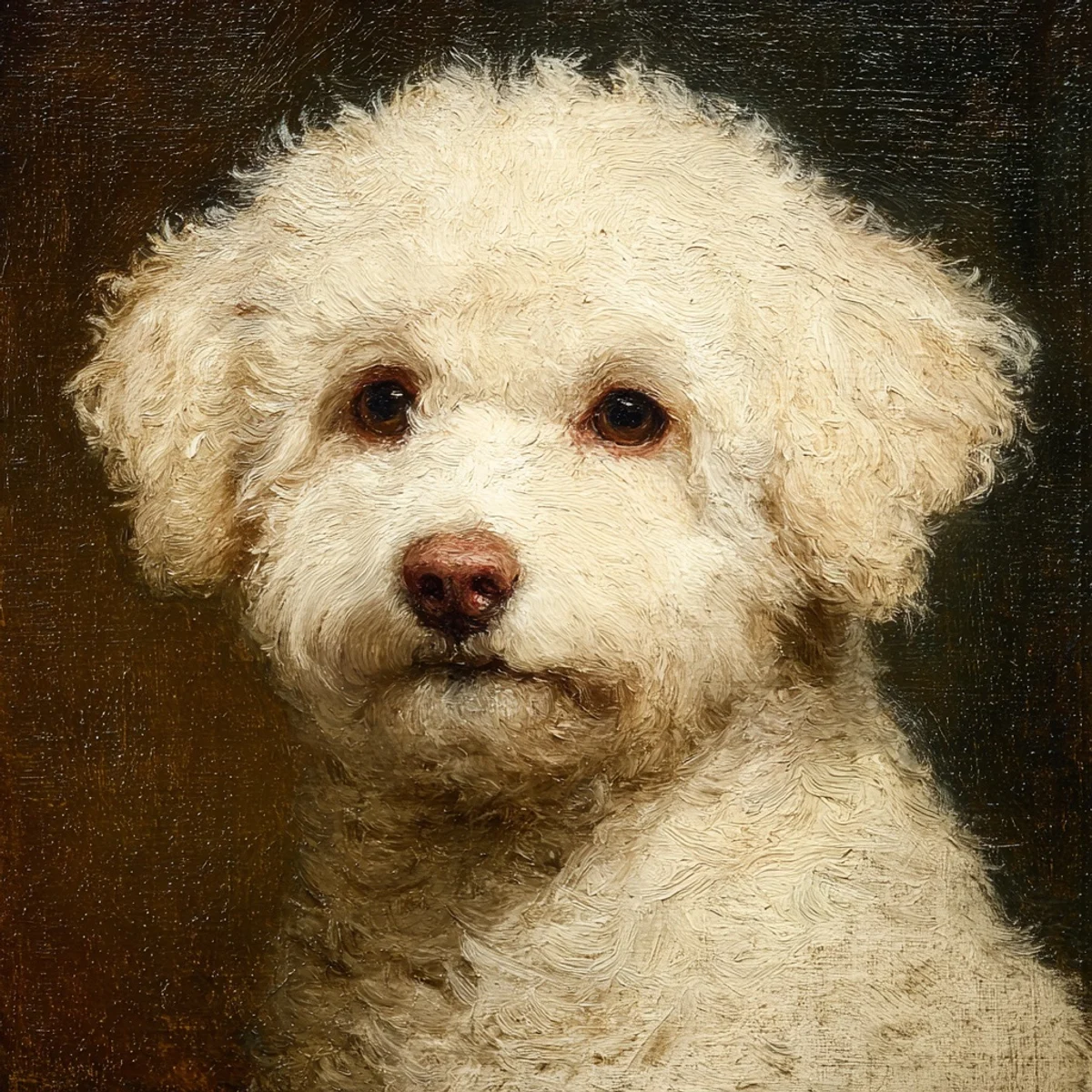
People worry about the wrong thing. They agonise over which style to choose, and barely think about the photo they upload. It is the other way round. The style is a finish; the photo is the foundation. A brilliant artist working from a dark, blurry phone snap can only do so much. A clear, well-lit photo of your pet looking like themselves is what makes a portrait stop you in your tracks.
Here is what actually matters - and it is simpler than you think.
Sharp focus on the face
The eyes and face are everything. If the face is in crisp focus, almost everything else can be forgiven. Zoom in on your phone before you send a photo: if the eyes look sharp and you can see individual whiskers or strands of fur, you are in good shape. If the face is soft or motion-blurred, find another shot.
Good, soft light - ideally natural
Natural daylight is your best friend. A photo taken near a window, or outside in open shade, gives soft, even light that shows your pet's real colours and the texture of their coat. Avoid harsh midday sun (it blows out detail and casts hard shadows) and avoid the on-camera flash, which flattens everything and turns eyes into headlights.
Shot at their eye level
The most characterful portraits come from photos taken at the pet's level, not from a human standing above them. Crouch down. Get the camera level with their eyes. It changes a photo from "a pet on the floor" to "a portrait of someone."
Fills the frame - but not too tight
You want the face and ideally the chest and shoulders to fill a good portion of the frame. Standing across the room and cropping in later loses detail. But don't go so close that the nose is distorted - a hand's length back from the face, zoomed slightly, is ideal.
The expression that is them
This is the part no checklist can give you. The best photo is the one where your pet looks like the version of them you love most - the cheeky tilt, the soft-eyed calm, the ears-up alertness. A technically perfect photo with a blank expression makes a worse portrait than a slightly imperfect photo bursting with personality. Trust your gut here.
What to avoid
- Heavy filters or beauty-mode. They alter colours and smooth away the detail an artist needs.
- Screenshots of other photos. Always send the original file, not a screenshot - screenshots lose resolution.
- Group shots cropped down to one pet. The cropped pet ends up too small and too soft. Use a photo where your pet is the subject.
- Very dark photos. If you can barely make out the face on your screen, the artist can't either.
When the perfect photo doesn't exist
Sometimes - especially for a memorial portrait - the only photos you have are the ones you have, and none are studio-perfect. That is completely fine. A good artist can work with an older or imperfect photo, combine the best features from two shots, or gently correct lighting. If you are unsure whether a photo will work, send it anyway and ask. We would always rather see it than have you talk yourself out of a portrait you'll treasure.
How it works at Olea & Hound
That is exactly what we do at Olea & Hound. You upload one clear photo, choose from six styles - from a classic oil painting to clean line art, watercolour, pop art, storybook, or a regal Renaissance look - and we hand-finish a portrait that genuinely captures your pet, not a generic version of the breed. It arrives as a high-resolution digital file you can print as large as you like.
Pick your favourite photo, and start your portrait here - about thirty seconds to begin, and made right here in Malta.