Gotcha Day - How to Mark It Well
For owners marking the anniversary of bringing a rescue dog or cat home. Why Gotcha Day matters, how to celebrate without being twee, and which portrait style suits which rescue story.
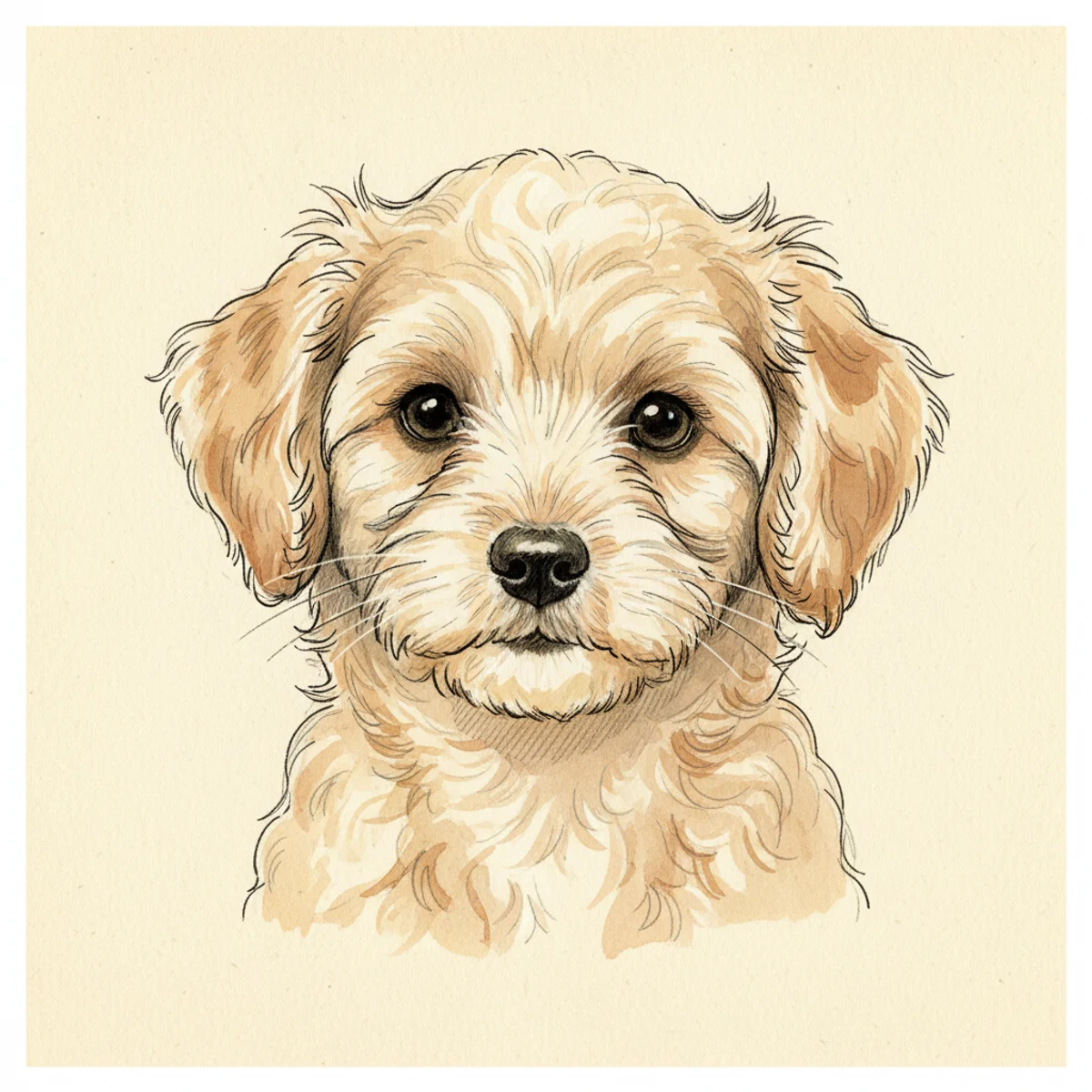
The day you brought your rescue home is, for most of us, a more important date than their actual birthday. Birthdays are guesses; the shelter wrote down a date because the form required one. The day you took them out of the shelter is the day the story actually starts. The American rescue community calls this Gotcha Day. The British call it Adoption Day or sometimes Homecoming Day. In Malta and the broader Mediterranean rescue community there is no fixed name; the date itself does the work.
If you have a rescue and have been turning over the question of how to mark the date this year, this is the guide we wish we had read.
Why Gotcha Day matters more than the birthday
Two reasons.
The first is that the rescue's birthday is almost always invented. Shelters write down a plausible date for paperwork purposes; the dog was found on a Tuesday and they guessed it was three years and four months old, so the birthday became something convenient. There is nothing wrong with this. But it does mean that celebrating it as a fixed annual event is celebrating a guess.
The second is that the rescue's birthday belongs to the version of them that you do not know. The version that was in someone else's house, the version that was wandering, the version that was in the shelter. None of that is yours. Gotcha Day is the day the part of their life that you actually witnessed begins. That is the date worth marking.
How not to mark it
A short list of things we have seen go wrong:
- The cake with a candle. The Instagram-trained celebration. Dogs do not understand candles and will eat the cake whole in two seconds. The photograph is for you, not them.
- The party with other dogs. Most rescues are not party dogs. The day that mattered for them was a quiet one - you and them, in a quiet house, learning each other.
- The new toy or treat from Amazon. Treats expire. Toys end up under the sofa. Neither marks the date in any way that survives the week.
- A social-media post with a "1 year ago today" overlay. Fine, but it lives for 24 hours.
These are not bad things. They are just optimised for being seen rather than being kept.
How to mark it well
We are biased toward the things that last. The principle: choose one thing that will still be in the house in five years.
1. A walk somewhere meaningful
Take them to the place that is most theirs - the first beach they swam at, the field where they finally let you off-lead, the cafe that lets them under the table. Spend the day at the pace they choose. No agenda.
This costs nothing and is one of the two best things on this list.
2. A photograph in their best year-three coat
Most rescues come out of the shelter underweight, patchy, and a bit faded. Year two and year three are when they look like themselves. Take a proper photograph this year, before age catches them. Natural light, near a window, looking at you but not directly into the lens. Not a phone snap on a busy day - a deliberate sitting, ten minutes, when the light is good.
This is the photograph that becomes the portrait below. It is also the photograph that will sit on the bedside table in twenty years when the rescue is gone.
3. A fine-art portrait, framed and hung
The third anchor. The photograph becomes a portrait, the portrait gets a frame, the frame goes on a wall, and the wall keeps the date for the rest of the dog's life.
We will go into specifics below. The compressed version: choose the style that suits the rescue's actual story, get a real frame, hang it above eye-line.
4. A small donation to the rescue that brought them home
Not the headline cheque you make once a year for the lottery. A specific donation in the dog's name to the specific shelter or street-rescue that you adopted from. €30-€100 is enough. They will send a handwritten card; you keep the card with the original adoption papers; the file gets a little thicker each year.
5. A handwritten letter to them
Sounds twee. Is not. Write a letter to the dog, on paper, with a pen. What you remember from the first week. What was difficult. What changed. Put the letter in an envelope. Put the envelope in a drawer with the adoption papers. Open it on Gotcha Day every five years.
When the dog is gone, the letters are what you will read.
Which Olea and Hound style suits which rescue story
This is the part we know best, so we will be specific.
Six styles, six different rescue archetypes. Pick the style that matches the dog's actual character now, not the dog they were in the shelter.
Royal Portrait - for the rescue who turned out to be a king or queen
Some rescues come out of the shelter looking like nothing in particular and then settle into themselves over a year or two as a properly regal animal. The collie mix who turned out to have the bearing of a Border Terrier. The mongrel who walks like a Pharaoh Hound. The cat who decided she was a Siamese.
The Royal Portrait does the most for these dogs and cats. It treats them as the sitter they have become rather than the case-number they were.
Oil Painting - for the rescue with serious bearing
If the rescue is composed, observant, and has the kind of dignity that surprises you, the Oil Painting style is the answer. Sargent meets Velazquez. Restrained, classical, no costume. Hangs above a mantel.
Best for: working-line crosses, lurchers, sighthounds, working cats, any rescue that has properly grown into themselves.
Storybook - for the rescue with a softer past
This is the style we recommend most often for rescues. The warm narrative tone takes the edge off the difficult parts of their history. A dog who was found on the side of the road, a cat who was abandoned at six months - the Storybook style softens the past without erasing it. The portrait celebrates who they have become.
Soft Watercolour - for the long-haired and the gentle
Particularly suited to long-haired breeds, fluffy mongrels, and cats with a lot of coat. The watercolour treatment is the right answer for the dog who is genuinely soft - both physically and in temperament.
See the Soft Watercolour style.
Minimal Line - for the modernist's rescue
If your home leans Scandinavian or modernist, the Minimal Line style is the right call. A single continuous ink line. No costume. Reductive. Sits next to a Hay Mags magazine rack without breaking the room.
Memorial - for a rescue you have already lost
A separate use case, but worth flagging here because some readers will be marking the Gotcha Day of a rescue who is no longer with them. The Memorial style is built for this. Restrained, emotionally literate, appropriate for framing alongside other commemorative pieces.
If this is your situation, see our dedicated memorial guide and the Memorial style page.
How to commission the Gotcha Day portrait
A five-step plan.
- Take the photograph this year. Natural light, near a window. The dog or cat looking at you but not directly into the lens. Half-body framing (above the chest, including the face). One photograph is enough. Our guide to photographing your dog has the full spec.
- Upload it to oleaandhound.com. All six styles render in 30 seconds. Free preview before any money changes hands.
- Choose the style that matches the rescue's actual character. Use the guide above. If you cannot decide, our breed-by-breed style guide has more detailed recommendations.
- Print at A2 at a local fine-art framer. Hahnemühle paper, dark walnut or natural oak frame, cream double mount. Cost: €60-€100 framed for an A2 print on archival paper. Cheaper at A3.
- Hang it above eye-line in a room you actually use. Not in the hallway where you never look. Above the mantel, above the dining table, above a console in the living room. The Gotcha Day portrait is a wall anchor, not a corner ornament.
Total cost including framing: €100-€135 for an A2 framed print. Less than the average annual rescue insurance excess.
What about cats?
Everything above applies. Cats have Gotcha Days too. The only adjustment: cats are harder to photograph well, so take twenty photographs and pick the best one. The cat portrait page covers the six styles applied to cats specifically.
The most common cat-rescue archetypes we see commissioned:
- Royal for the cat who decided she was a Siamese
- Oil Painting for the dignified senior who has been with you for a decade
- Minimal Line for the very small modern flat
- Memorial for the cat who has passed
A note on timing
A common question: should the portrait be commissioned on Gotcha Day itself, or before, or after?
Our recommendation: commission a week before. Use the actual day for the walk, the photograph, the letter, and the donation. The portrait file is then waiting in your inbox by the time the day comes; you print and frame it over the following two weeks; it lands on the wall about three weeks after the date.
This sequence works because the Gotcha Day itself is for the dog. The portrait is for you. The day is for being with them; the framing afterwards is for marking the day after the fact.
On marking the second, fifth, and tenth Gotcha Day
The portrait does not need to be repeated every year.
A defensible rhythm:
- Year one (the first Gotcha Day): the photograph and the framed portrait. The anchor piece.
- Years two through four: the walk, the donation, the letter. No new portrait.
- Year five: a new photograph and a second portrait, optionally in a different style. The dog has changed; the second piece records who they have become.
- Year ten: the last full portrait if the dog is still with you. Often in the Oil Painting or Memorial style.
Three portraits across a dog's life is a defensible upper bound. More than that and the wall starts to look like a shrine.
Begin with their photograph
Upload one photo of your rescue and see all six styles in 30 seconds. Free preview, refund within five minutes if it isn't them.
The day you brought them home is worth marking. The portrait is the part of the marking that survives.